Death and His Brother: a Novel by Khosraw Mani
Winner of a 2025 PEN/Heim Translation Fund Grant
Honorable Mention for the 2023 Mo Habib Translation Prize in Persian Literature
Middle Eastern Literature in Translation Series. Syracuse University Press, 2027.
The PEN/Heim Judges’ Citation:
Hajar Hussaini’s translation of Khosraw Mani’s 2017 Farsi-language novel Death and his Brother could not come at a more important time, as freedoms continue to be rolled back in Afghanistan by the Taliban, and not just for women. Neither this book nor any of Khosraw Mani’s five other novels have been translated into English, which makes Hussaini’s translation even more welcome. The novel depicts a single day in the lives of a few ordinary Kabul inhabitants. It starts off with a young man quietly sitting in a café in the Afghan capital; when a missile hits a house and kills four people, the reader sees how their worlds interconnect and how life can sometimes be deadlier than death itself. Told from multiple perspectives, this tragic story becomes one extended wail reminiscent of a Greek chorus. Experimental and daring, this is a book that everyone will enjoy, regardless of age or background. And rarely of late have we had a text from Persian so skillfully translated and which conveys the beauty of the original text in English. An important voice from a part of the world that Americans know very little about, apart from State Department-released stereotypes and racist tropes.
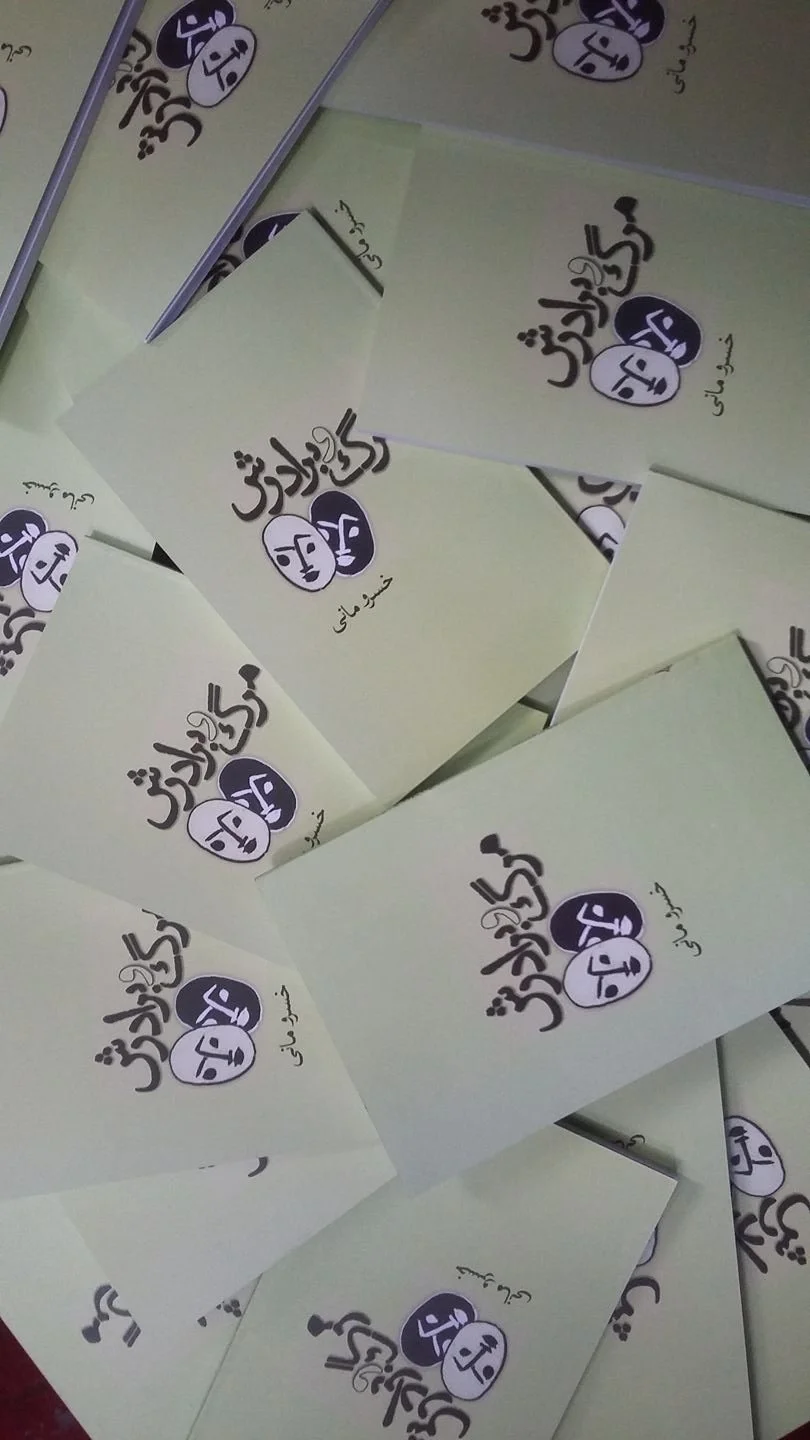
Photo Credit: Amiri Publishing / انتشارات امیری | 2018
Read excerpts from Death and His Brother
Copper Nickel, no. 42, Spring 2026, pp 163-176.
Wounded Vita Nuda: Poems by Maral Taheri
Deep Vellum 2027.
The Judges’ Citation:
The poetry of Maral Taheri is provocative and disquieting—in the very best of ways. It inspires surrender, then kaleidoscopically enthralls. There is an undeniable urgency to Taheri’s poetic voice, her truths, and the way she tells them, with uncanny juxtapositions of love, sex, scripture, war, and other kinds of violence. Her translator, Hajar Hussaini, describes her work—unpublishable both in Iran and Afghanistan—as raw, ‘defiantly feminine’, and piercingly intelligent. Hussaini’s remarkable translations echo these qualities. They also betray a deep kinship with their poet, an intimate, almost intrinsic, familiarity with her experience and expression. In Hussaini’s agile renderings, Taheri’s verses cascade down the page, each one building upon, breaking down, and bounding off the last. The rhythm continues to reverberate long after you stop reading. The effect is nothing short of tremendous.
Winner of a 2024 Mo Habib Translation Prize in Persian Literature
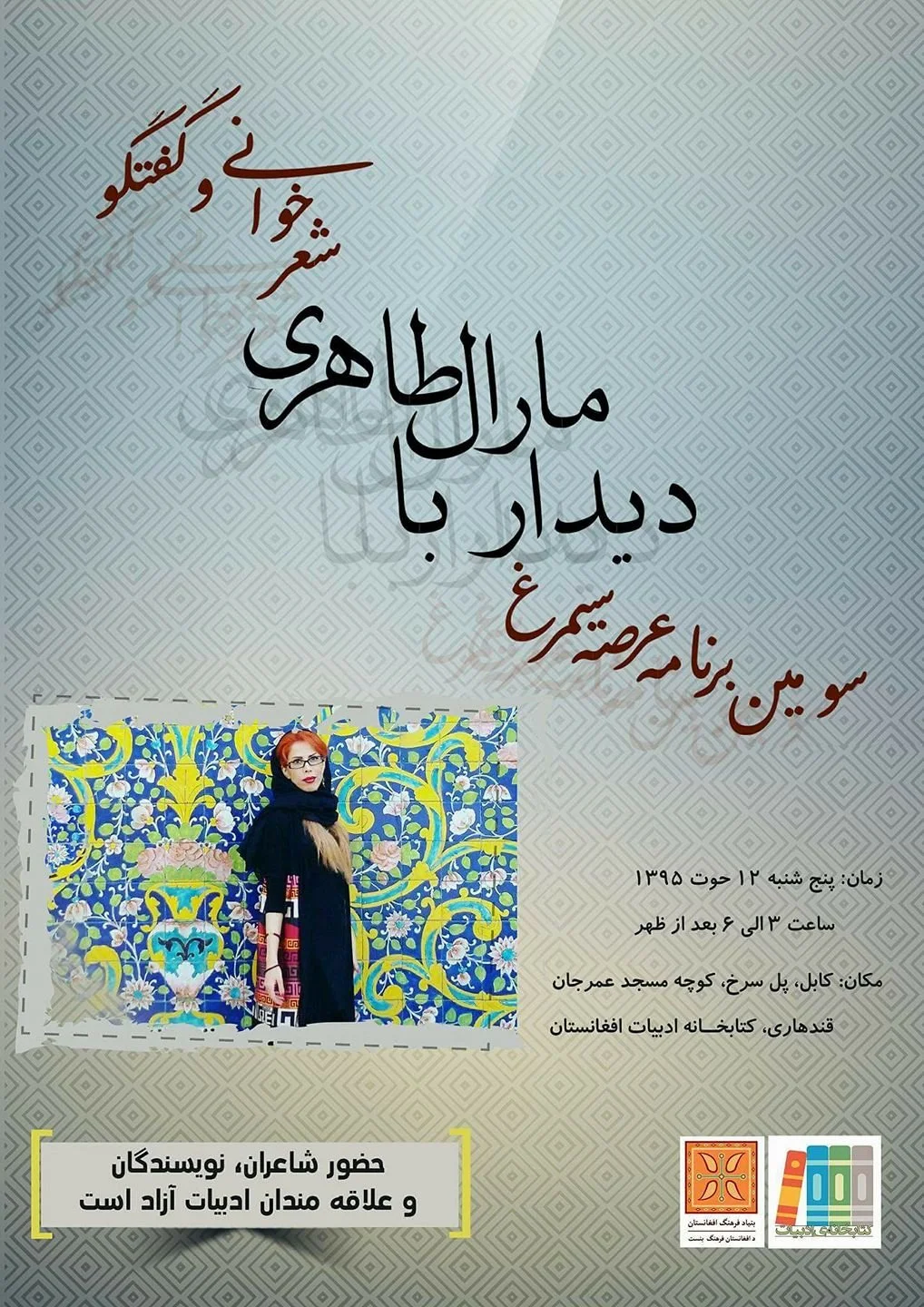
Photo Credit: Afghan Culture Foundation / کتابخانه ادبیات افغانستان | 2017
Read excerpts from Wounded Vita Nuda
“Asylum Seeker.” Poem-a-Day, Academy of American Poets, 28 June 2024, poets.org/poem/asylum-seeker.
“My Beige Bra” and “Third-World Beloved.” Annulet: A Journal of Poetics, Issue 6. https://annuletpoeticsjournal.com/Maral-Taheri-trans-Hajar-Hussaini-My-Beige-Bra.
“And the poem could have been a wound that never opens to ooze,” “Cybersex in the Face of My Father’s Death,” and “Embrace me.” Hair on Fire: Afghan Women Poets, Two Lines Press: Calico, 2025, pp. 58-81.